


HomeWAV
3.64.56K Reviews
App Specs
- Version
- 2.27.0
- Updated On
- License
- Free
- Downloads
- 1,000,000+
- Developer
- HomeWAV LLC
- Categories
- Communication
- Platform
- Android, iOS
Screenshots
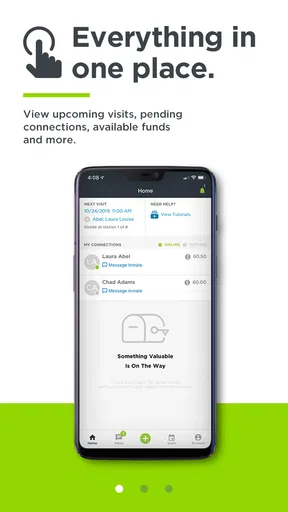
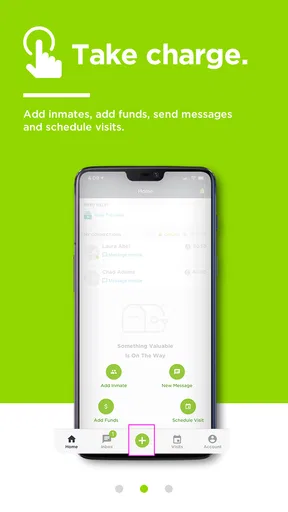
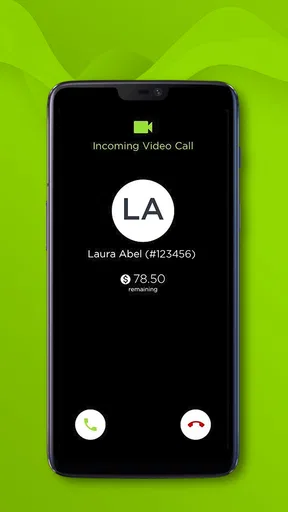
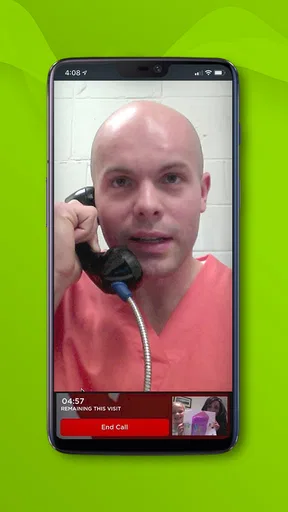

 Analysis by AppCompare
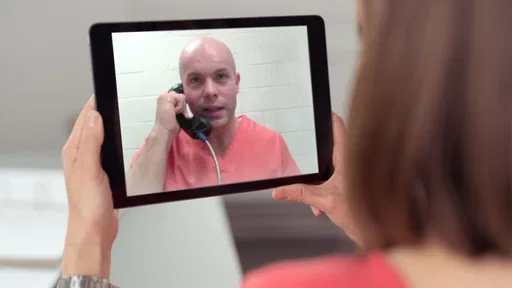
Staying connected with someone in custody is rarely as simple as opening a familiar chat app and sending a message. The person on the other side may have limited access, a specific visiting schedule, or a facility that uses its own communication system. That is where HomeWAV fits: it is a communication app built around visits between incarcerated people and their families or friends. I approached it less like a general messenger and more like a practical bridge for a very specific situation.
My overall impression is that its value depends heavily on whether the correctional facility connected to your loved one supports it. When that piece is in place, the app can give families a more direct way to arrange or take part in contact. When it is not, installing the app alone will not turn it into a normal video-calling service. That distinction is the most important thing to understand before deciding whether it belongs on your phone.
How I would decide whether HomeWAV is right for me
I would make this decision by separating what I need from what I hope the app will do: a facility-compatible route to a planned visit is a very different thing from an always-available chat channel. In this section, I’d look at whether that distinction fits my family’s routine and what I would prepare before relying on it, so the next section can weigh the benefits against the compromises.
Start with the facility, not the app icon
The first decision is practical: is HomeWAV the system used by the facility where the incarcerated person is held? This is more important than the phone model, your preferred messenger, or how polished you expect the interface to be. HomeWAV is designed for a controlled communication environment, so its usefulness is tied to that environment rather than to having a broad network of ordinary app users.
If a family member has told you that their facility uses HomeWAV, that is a strong reason to investigate it. If you are simply looking for a way to call someone in custody without knowing the facility’s approved service, I would not install it with the expectation that it will work automatically. The app is not a replacement for every jail or prison communication method; it is a route used in the places that support it.
Think about the kind of contact you need
I would also separate three needs that are easy to confuse. One is arranging contact. Another is actually participating in a remote visit. The third is maintaining casual, frequent conversation throughout the day. HomeWAV is most relevant to the first two. It should not be judged like a social network or a standard instant-messaging app, because its purpose is structured contact with someone whose communication options are restricted.
That makes it especially relevant for parents, partners, relatives, and close friends who cannot travel regularly. A remote visit may save a long journey, reduce the disruption of an in-person appointment, and make it easier for several people in the same household to stay involved. It is also useful for people who need a dedicated channel rather than trying to coordinate sensitive arrangements through unrelated apps.
Worth Reading Before You Choose

EA SPORTS FC Mobile 26 Is a Bigger Football Game, but It Takes Time

Flipboard Shows What News Apps Must Do Beyond the Feed

Switching to Android Auto Means Rethinking Your Driving Routine

Google Calendar Makes a Crowded Week Easier to Manage

Ludo King Makes the Most of the Minutes Between Plans

Baby Panda World Brings Quick Play to Modern Phones, but Its Game Library Feels Busy
Check your own practical limits
Before relying on it, I would think about where and when I expect to use it. A family member may have a narrow window for a visit, while the person at home may be working, caring for children, or sharing a living space. The app can support the connection, but it cannot remove those scheduling pressures. I would treat each visit as an appointment and prepare for it instead of assuming it will feel like an ordinary spontaneous call.
This is also a situation where patience matters. Communication involving a facility can have more steps than a normal call: identifying the right institution, making sure the correct person is selected, and following whatever process applies to that location. If you want a frictionless conversation with no institutional rules around it, this will probably feel restrictive. Those rules are not a reason to dismiss it, but they are part of the product experience.
What the app’s basic profile tells me
HomeWAV comes from HomeWAV LLC and sits in the Communication category. It is free to install, carries an Everyone content rating, and supports devices using Android 7.0 or later. The current release is version 2.27.0. Those details make it accessible to a wide range of Android users, including people who may not have a recent phone.
The app has been available since October 24, 2012, and its reach is substantial, with over one million installs. Its average rating is 3.6 from around eleven thousand ratings, alongside roughly four thousand six hundred written reviews. I read that combination as a sign of a useful but situation-dependent service: many people can find real value in it, while others may judge it through the frustrations of scheduling, facility compatibility, or a difficult call experience.
A realistic family scenario
Imagine a parent whose adult child is incarcerated several hours away. An in-person visit may require taking time off work, arranging childcare, and paying for travel. If the facility supports HomeWAV, the parent can use the app as the designated route for a remote visit instead of treating every conversation as a separate travel project. The practical benefit is not just convenience; it is the ability to preserve a routine when distance would otherwise make contact irregular.
In that situation, I would prepare the room before the scheduled conversation, check the phone’s battery, and make sure the person who needs to participate is ready. If children are joining, I would explain beforehand that the visit may not behave like a regular family video call. That preparation is one of the less obvious keys to getting value from a specialized communication app: the technology works best when the household treats it as a planned appointment.
Where HomeWAV earns its place
I find the clearest case for HomeWAV in the practical gap it can fill when travel is difficult and ordinary messaging is not an option. This section looks at the value of having a dedicated, repeatable way to arrange contact, while also considering the limits that come with a service tied to a facility rather than a general-purpose messenger.
It focuses on a communication problem ordinary messengers do not solve
The strongest part of HomeWAV is its focus. WhatsApp, Messenger, FaceTime, and similar services are excellent when both people can freely use the same consumer platform. They are not designed around the restrictions of incarceration. HomeWAV exists for a different relationship between the caller, the recipient, and the institution managing access.
That specialization matters. A family does not have to pretend that a normal chat app can handle a controlled visit. Instead, the app provides a purpose-built place to look for this kind of contact. I would choose it over a general messenger when the facility has made it part of the communication process, because using the approved route is more realistic than asking a loved one to work around a system they cannot control.
It can reduce the burden of distance
For families living far from a facility, remote contact can change how often connection feels possible. Travel is expensive in time even when the financial cost is manageable. A parent with a full-time job, a partner with health limitations, or relatives living in another state may not be able to attend every in-person opportunity.
HomeWAV is valuable in those cases because it makes distance less decisive. I would not describe it as a replacement for every face-to-face visit, since physical presence can carry an emotional importance that a screen cannot reproduce. Still, a reliable remote option can help fill the gaps between visits and give families another way to remain present in everyday life.
The dedicated workflow can be easier than improvised coordination
A less obvious advantage is psychological as much as technical. When a family uses a dedicated service, everyone knows which app is associated with this particular kind of contact. That can be easier than switching between email, phone calls, and unrelated messaging tools to coordinate a visit. The app becomes part of a repeatable household routine.
My tip would be to keep the app in an easy-to-find place on the phone and use a simple calendar reminder for expected contact. I would also keep the facility’s name and the incarcerated person’s identifying details available while setting things up, rather than searching for them at the last minute. That small amount of organization can prevent avoidable confusion when the visit matters emotionally.
The broad device support is useful for families with mixed phones
Support for Android 7.0 and later is helpful for households that do not replace phones frequently. Not everyone involved in a family visit will own a new flagship device, and a communication tool becomes less useful if it quietly excludes older hardware. HomeWAV’s stated minimum Android requirement gives older Android users a reasonable starting point.
That does not guarantee an identical experience on every phone. Screen size, camera quality, microphone condition, and the phone’s general performance can still affect a remote visit. I would test the device before an important conversation rather than assuming that meeting the minimum operating-system requirement means every part of the experience will be equally smooth.
It is free to install, which lowers the first barrier
The free installation is another practical advantage. Families can begin by getting the app onto a compatible phone without paying an upfront download charge. That is particularly welcome when the people involved are already managing travel, household, or communication expenses.
Still, I would not interpret “free” as a promise that every part of a facility’s communication arrangement has no cost. The app’s installation price and the wider rules of a correctional communication system are separate questions. Before planning regular contact around it, I would make sure I understand the process that applies to the relevant facility and person.
Its age rating makes it approachable for family use
HomeWAV is rated Everyone, which fits its role as a family communication tool rather than an entertainment app aimed at mature audiences. That makes it less intimidating for households where several generations may need to take part. A grandparent or a younger family member can approach it as a visit tool without the app itself presenting an adult-oriented identity.
The rating does not remove the need for adult guidance. The subject matter of incarceration can be emotionally complicated, especially for children. I would decide who should participate and explain the nature of the visit in an age-appropriate way before opening the app.
Where the experience can become frustrating
The same specialization that gives HomeWAV its purpose can also make it feel limited. A general messenger offers broad contact options, quick replies, group chats, and an established social routine. HomeWAV is narrower. If your main goal is unrestricted daily conversation, it may feel like too much structure for too little flexibility.
There is also a human cost to depending on a system connected to a facility. A missed appointment, an unclear setup step, or a technical problem can feel much more serious than a failed call to a friend. I would avoid making a single scheduled visit the only opportunity for important news. When possible, build some flexibility into your expectations and keep an alternative approved way of staying informed.
How I would compare it with the usual alternatives
Compared with ordinary video-calling apps, HomeWAV is the better fit when institutional compatibility is the deciding factor. A consumer app is usually better for spontaneous, unrestricted communication between people who can both use it freely. It may also feel more familiar to relatives who already have an account and established contacts there.
Compared with an in-person visit, HomeWAV is more convenient for distance and scheduling, but less personal and less physically present. An in-person visit may remain the better choice for important milestones or when the family can realistically travel. I see remote contact as an additional route, not an automatic substitute.
Compared with phone-only contact, a remote visit can offer a stronger sense of presence when the service and device support it. Phone calls may still be preferable for quick check-ins, situations where the camera is inconvenient, or relatives who are uncomfortable with video. The right choice depends on whether the priority is speed, visual connection, travel reduction, or simplicity.
Who should consider switching to it
I would recommend trying HomeWAV to families whose facility specifically uses it, especially when distance makes regular physical visits difficult. It is also worth considering if several relatives need a recognized, repeatable way to participate in contact rather than relying on improvised arrangements.
I would be more cautious for people who are searching for a universal communication app. If the incarcerated person’s facility does not support HomeWAV, the installation will not solve the underlying problem. I would also steer highly spontaneous communicators toward a more familiar consumer messenger when both sides are allowed to use one, because that category is better suited to casual conversation.
The cost of changing your routine
Switching to a dedicated service is not only a download decision. The family may need to learn a new workflow, coordinate around approved visiting times, and help less technical relatives become comfortable with the process. If several people are involved, the first successful visit may require more preparation than anyone expects.
My advice is to make the transition deliberately. Install the app well before the first important visit, identify who will handle setup, and decide where the phone will be placed during the conversation. If children or older relatives are participating, give them a short explanation and a rehearsal of the practical details. This is not about turning a family visit into a technical project; it is about protecting the limited time you may have together.
I would also avoid deleting an existing approved communication method immediately. A new workflow should earn trust through actual use. Keep the alternative available until you know HomeWAV fits your facility, your household, and the kind of contact you need. That is a sensible trade-off whenever communication has emotional importance.
My recommendation after weighing the trade-offs
HomeWAV is a focused tool rather than a universal messenger, and that is exactly why I would recommend it in the right circumstances. If your loved one’s facility supports it, the app can make remote visits more practical and reduce the pressure created by distance. The free installation, Everyone rating, and compatibility with Android 7.0 or later make the first step relatively approachable.
I would not recommend choosing it simply because it is popular or because you want a normal chat experience. Its average rating of 3.6 shows that the experience is not universally effortless, and the specialized setting brings limitations that no ordinary app can erase. Your decision should be based on facility compatibility, the importance of remote visits, and your willingness to follow a more structured routine.
For me, the clearest verdict is this: HomeWAV is worth trying when it is the approved bridge to someone you need to stay close to. It is less convincing as a general-purpose communication download. Approach it with realistic expectations, prepare before scheduled contact, and keep a suitable alternative until the workflow proves dependable for your family. In that specific role, it can provide something ordinary messaging apps simply are not built to provide.
Pros
- Secure video visits connect inmates and approved contacts remotely.
- No travel required
- saving time and transportation costs for families.
- Supports scheduled visits and messaging in one centralized app.
- Available on both Android and iOS devices.
- Useful for maintaining regular contact from home or work.
Cons
- Availability depends on the correctional facility supporting HomeWAV.
- Visit times may be limited by facility schedules and approval rules.
- Video quality can vary with weak internet connections.
- Fees may apply for calls
- messages
- or other facility services.
- Account verification and contact approval can take time.
FAQs for HomeWAV
What is HomeWAV and what can I use it for?
HomeWAV is a communication platform designed to help people stay in contact with individuals in correctional facilities. Depending on the facility’s setup, the app may support video visitation, voice calls, messaging, and related account services. Availability is not identical everywhere, so you should check whether the specific facility and incarcerated contact are supported before creating an account or adding funds.
How do I create an account and connect with someone in a facility?
After installing HomeWAV, you generally need to register with your personal information, verify your account, and search for the participating correctional facility or resident. Connection options depend on the facility’s rules and approval process. In some cases, the incarcerated person must be added through an approved contact list, and you may need to provide identification or wait for authorization before communication becomes available.
Does HomeWAV cost money, and how are payments handled?
HomeWAV may include charges for video visits, voice communication, messaging, deposits, or other facility-specific services. Pricing, minimum balances, taxes, and payment rules can vary significantly by location. Before completing a transaction, review the displayed fee and refund information carefully. The app itself may be free to download, but that does not mean every communication feature is free.
What do I need for a successful HomeWAV video visit?
For video visitation, you normally need a compatible Android or iOS device, a stable internet connection, and permission to use the camera and microphone. Good lighting and a quiet environment can improve the experience. You should also follow the facility’s dress code, scheduling rules, visitor limits, and identification requirements. Technical problems may occur if your connection is weak or the facility’s system is busy.
Are HomeWAV calls and video visits monitored or restricted?
Yes, communications through HomeWAV are generally subject to the policies of the participating correctional facility. Calls and video visits may be recorded, monitored, scheduled, limited in duration, or ended if rules are violated. Certain topics, behavior, clothing, visitors, or background activity may be prohibited. Read the facility’s communication guidelines before starting a session, and avoid assuming that conversations are private.


